

Why Managing Organisational Change Is Often Harder Than It Should Be
Many organisations have a clear strategy and strong leadership commitment, yet still experience resistance, change fatigue, or initiatives that fail to embed. Successful managing change is not just about process, it is about how people experience and respond to change day-to-day.
Our Approach to Managing Change
Making change work in the real world
As a change management consultancy, we work alongside HR and leadership teams to embed change in a way that is practical, human, and sustainable.
Together, we help you:
-
Build leadership capability to confidently lead change
-
Equip leaders to engage their teams effectively
-
Align culture, behaviours, and strategy
-
Create the conditions for change to take hold and last
Our work is always collaborative and grounded in your organisational reality.
.avif)
Where We Focus to Make Change Stick
We focus on the elements that most influence successful change management:
Leadership Behaviour
How consistently leaders role-model and lead change
Employee Experience
How change is felt and interpreted across the organisation
Capability & confidence
Whether managers feel equipped to lead their teams
Organisational culture
Whether the environment supports new ways of working
Helping People Navigate Change
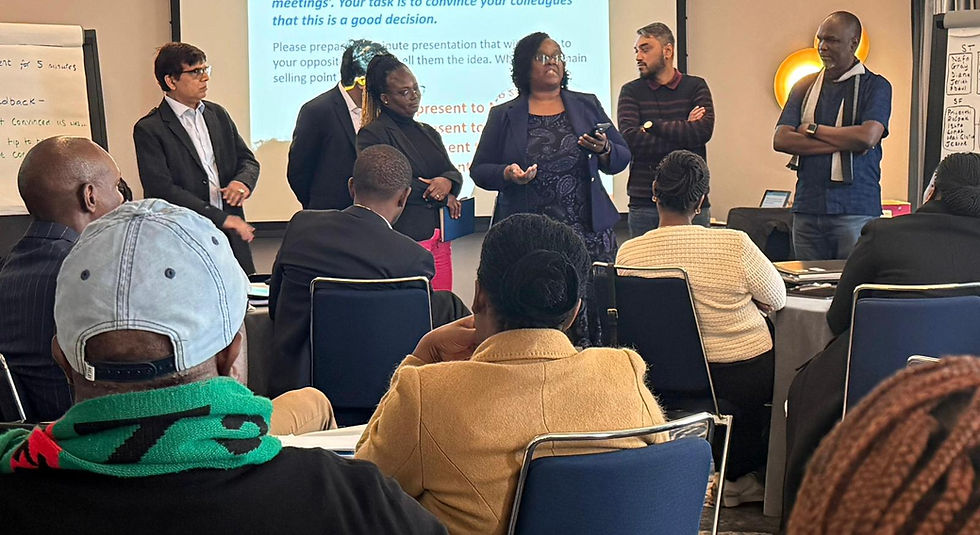
Practical and Human
Our approach to managing change is grounded in real organisational experience, helping leaders and teams navigate change in a way that feels practical, clear, and achievable.
Collaborative
We work alongside your people throughout the change process, building trust, engagement, and shared ownership rather than delivering change around teams.
Leadership focused
Effective managing change depends on confident leadership. We equip leaders and managers with the skills, behaviours, and support needed to lead change successfully.
Sustainable
We help organisations embed change into everyday ways of working, ensuring momentum continues beyond the initial launch, programme, or transformation activity.
"Taylor Clarke worked in partnership with us as we implemented significant changes as an organisation. They supported us over a six-month period as we reflected on our progress to date, built our communication approach for the changes to come and as we started to implement the remaining planned changes. Taylor Clarke’s involvement really helped us as we developed further our change management strategy and assisted us in our goal to strengthen change leadership capability in the organisation."
CEO
Non-Departmental Public Body
Our Valued Partners
Taylor Clarke has had the privilege of working with a diverse range of clients, spanning various sectors and industries, and continues to build strong, collaborative partnerships.


.jpeg)


Frequently asked questions about managing change
What is managing change in organisations?
Managing change is the structured approach organisations use to support people through change—ensuring new ways of working are understood, adopted and sustained. It focuses not just on what is changing, but how people experience and respond to that change.
Why do change initiatives often fail?
Most change initiatives struggle not because of poor strategy, but because the human side of change is underestimated. When leaders are not aligned, communication is unclear, or teams are not fully engaged, change can stall or fail to embed.
How can organisations reduce resistance to change?
Resistance is often a sign of uncertainty rather than opposition. Organisations can reduce resistance by involving people early, clearly communicating the purpose of change, and equipping leaders to support their teams through the transition.
What role do leaders play in successful change?
Leaders play a critical role in shaping how change is experienced. Consistent leadership behaviour, clear communication, and visible commitment to the change all influence whether it is successfully adopted across the organisation.